Water Quality
A look into GLWA’s water quality standards, testing, and treatment practices.
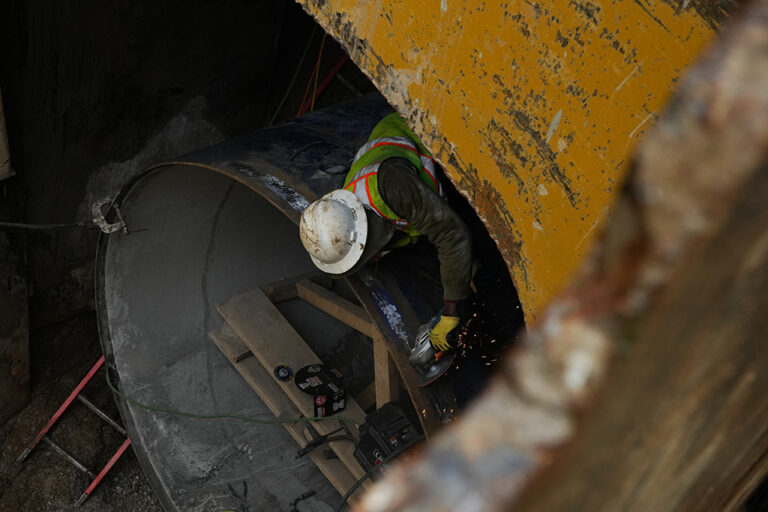
See GLWA’s ongoing investments that strengthen infrastructure and support regional growth.
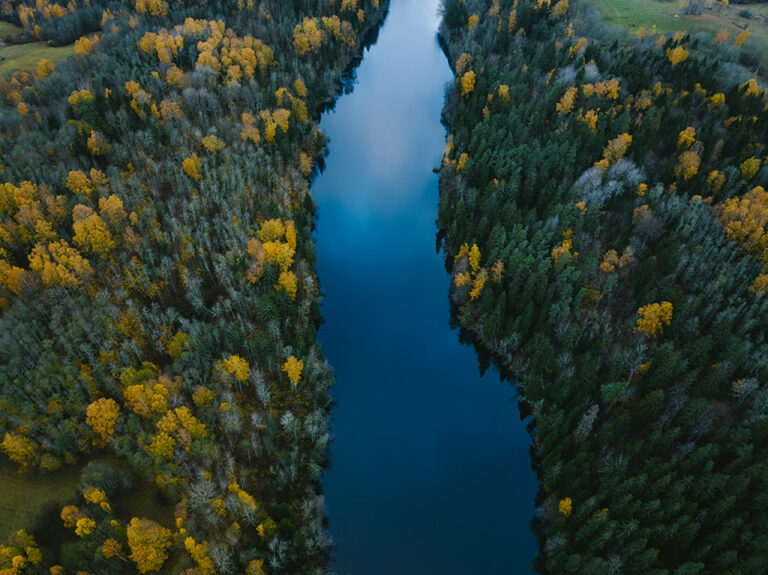
How GLWA is preparing for climate challenges through strategic planning and innovation.
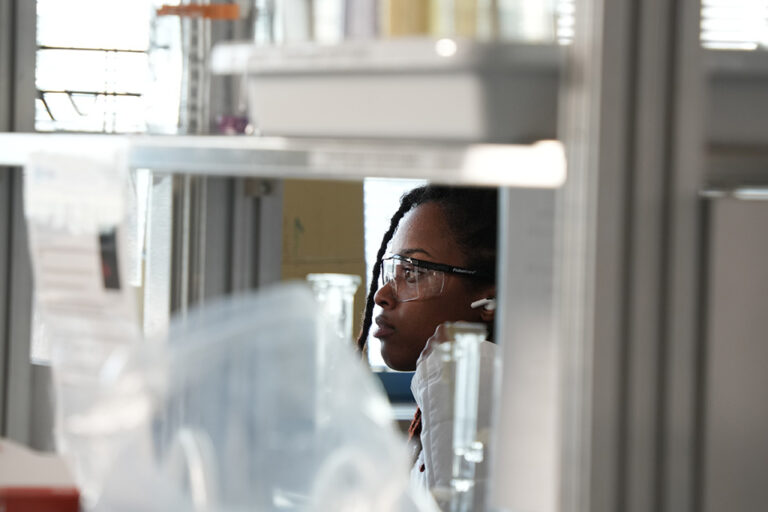
A look into GLWA’s research leadership, pilot programs, and forward-thinking water solutions.

Overview of the Value of Water and why the user should click on this and read more.

An overview of GLWA’s role, mission, and operations, explaining the how and why behind our water and wastewater services.

Meet the individuals behind GLWA, including leadership, staff, and the teams that drive daily operations.
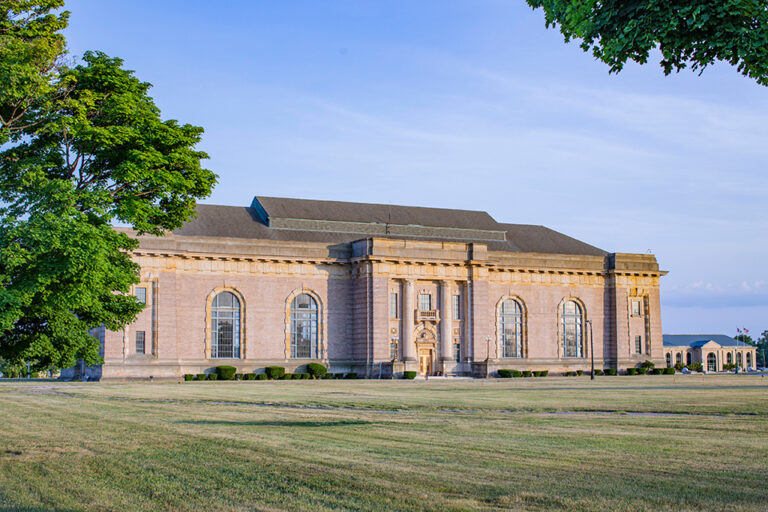
An introduction to GLWA’s treatment plants and operational sites.

Discover how partnering with GLWA helps communities share knowledge, access resources, and strengthen regional water systems.

Information for current and prospective vendors, including procurement processes, requirements, and opportunities.
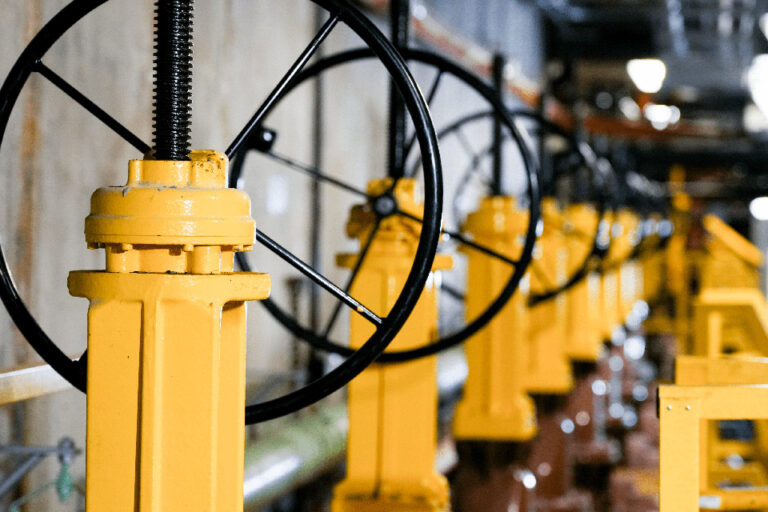
A resource center providing financial documents, agreements, and investment-related materials.
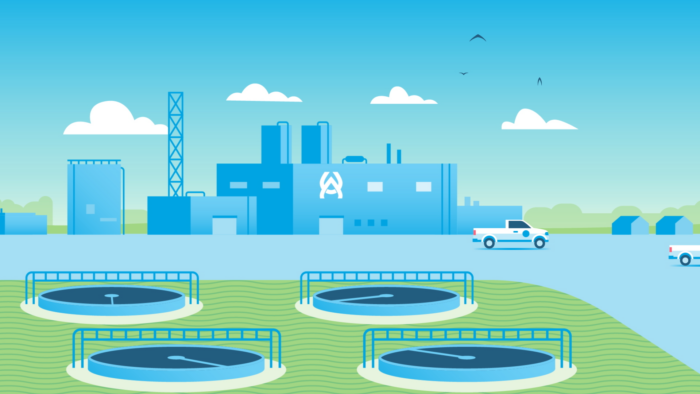
lorem ipsum lorem ipsum lorem ipsum lorem ipsum lorem ipsum lorem ipsum lorem ipsum lorem ipsum lorem ipsum lorem ipsum lorem ipsum lorem ipsum lorem ipsum lorem ipsum lorem ipsum lorem ipsum lorem ipsum lorem ipsum lorem ipsum lorem ipsum lorem ipsum lorem ipsum lorem ipsum lorem ipsum lorem ipsum lorem ipsum lorem ipsum lorem ipsum lorem ipsum lorem ipsum
As climate change and extreme weather events damage and reshape our communities, these impacts are felt unequally. Those most at risk—such as low-income households, communities of color, and individuals with limited access to education, healthcare, and stable housing—face disproportionate and lasting impact. Social and economic disparities not only increase their vulnerability but also restrict their ability to prepare for, respond to, and recover from climate and extreme weather threats, further deepening existing injustices (Shonkoff et al., 2011). To address these inequities, level the playing field for recovery, and build resilience to climate-related impacts, historically disinvested and overlooked communities require targeted investments in climate adaptation.
The following case studies highlight utilities that implement data-driven, community-informed strategies to bridge historical investment gaps and support those most vulnerable to the impacts of climate change. By examining real-world applications of these principles, this study provides a roadmap for investors, policymakers, and community leaders.

DEP initiated its Green Infrastructure Program in 2010 to enhance water quality and improve stormwater management. To date, the program has implemented over 16,000 green infrastructure projects, with more projects underway. These projects integrate sustainable stormwater solutions into streets and public spaces. The Cloudburst Program builds upon the Green Infrastructure Program, introducing a toolkit of networked stormwater solutions that target flooding hotspots and enhance public spaces.
The Cloudburst Program was initiated in 2015 as a partnership between New York City and the City of Copenhagen, leveraging Copenhagen’s expertise in mitigating flood risks from heavy rainfall events. A Cloudburst Resiliency Planning Study assessed the feasibility of implementing these strategies in the city, leading to targeted investments in stormwater infrastructure. The program was driven by a proactive approach to understanding future flood risks and ensuring the city was prepared for major climate events.
In May 2021, the DEP published its first Stormwater Resiliency Plan. This report was compiled to outline the planning process for managing climate risks due to an increase in the magnitude and frequency of extreme rainfall. Through effective stormwater planning, DEP aims to mitigate climate risk by alleviating flooding, particularly in vulnerable areas.
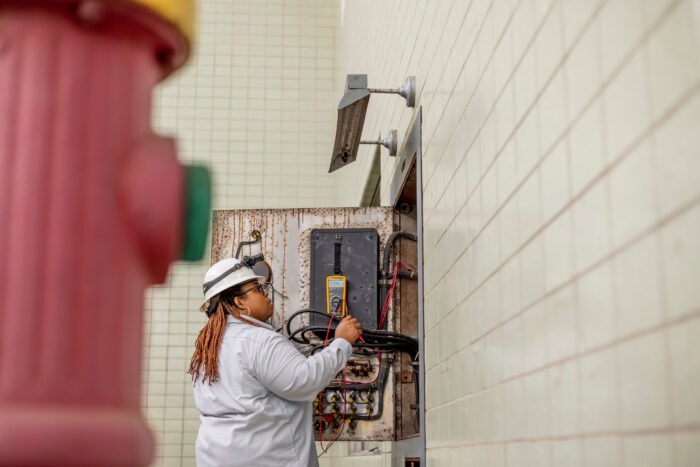
DEP initiated its Green Infrastructure Program in 2010 to enhance water quality and improve stormwater management. To date, the program has implemented over 16,000 green infrastructure projects, with more projects underway.
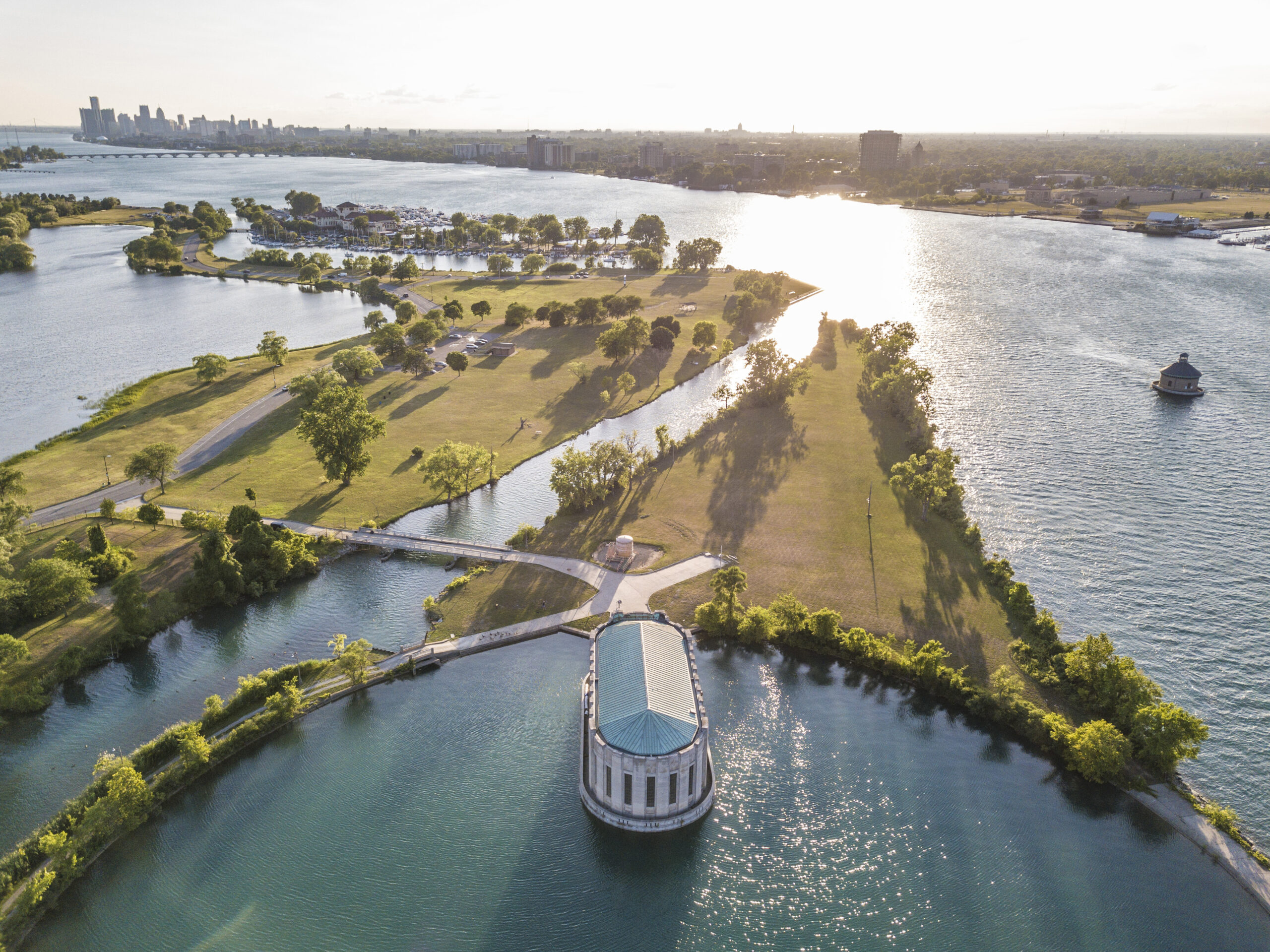
DEP initiated its Green Infrastructure Program in 2010 to enhance water quality and improve stormwater management. To date, the program has implemented over 16,000 green infrastructure projects, with more projects underway. These projects integrate sustainable stormwater solutions into streets and public spaces. The Cloudburst Program builds upon the Green Infrastructure Program, introducing a toolkit of networked stormwater solutions that target flooding hotspots and enhance public spaces.