Water Quality
A look into GLWA’s water quality standards, testing, and treatment practices.
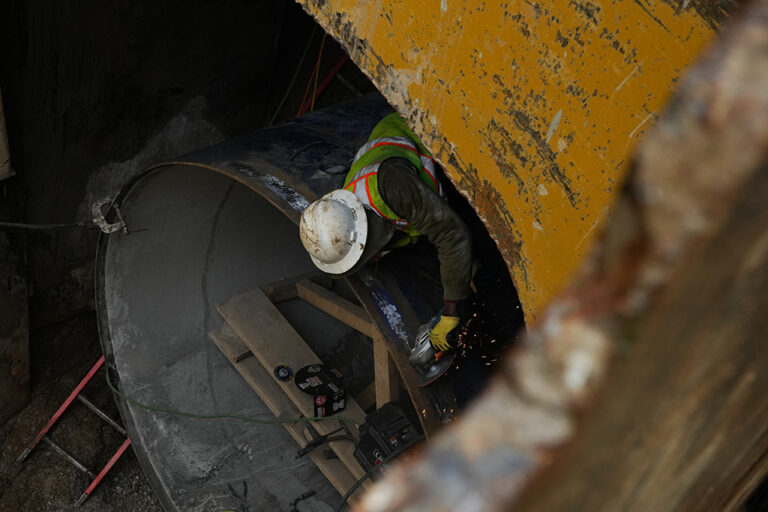
See GLWA’s ongoing investments that strengthen infrastructure and support regional growth.

How GLWA is preparing for climate challenges through strategic planning and innovation.
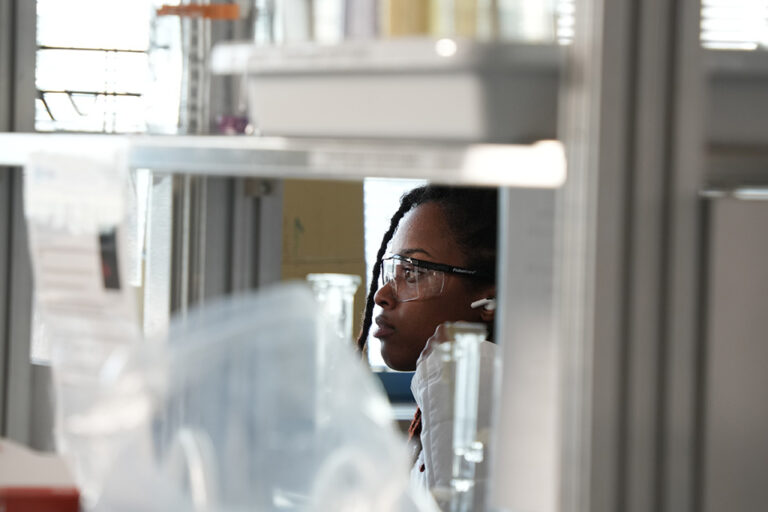
A look into GLWA’s research leadership, pilot programs, and forward-thinking water solutions.

Overview of the Value of Water and why the user should click on this and read more.
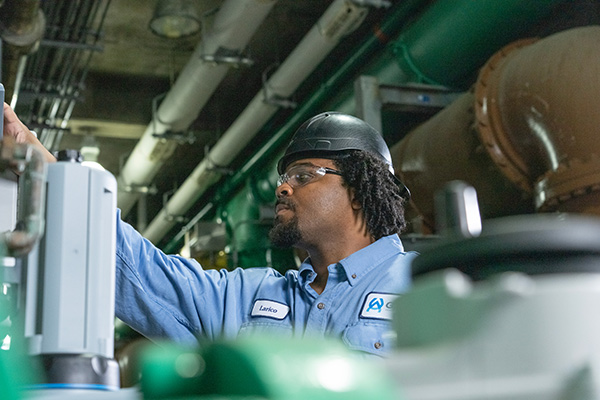
An overview of GLWA’s role, mission, and operations, explaining the how and why behind our water and wastewater services.
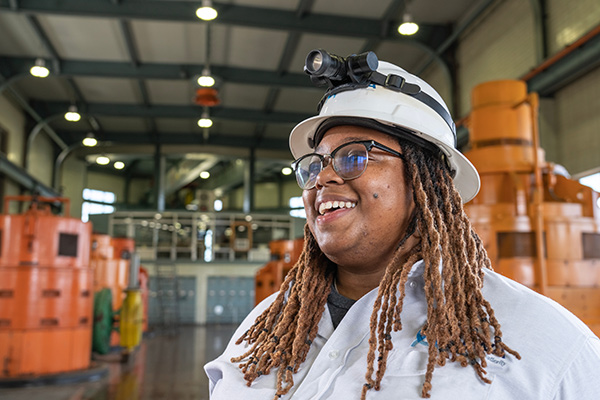
Meet the individuals behind GLWA, including leadership, staff, and the teams that drive daily operations.
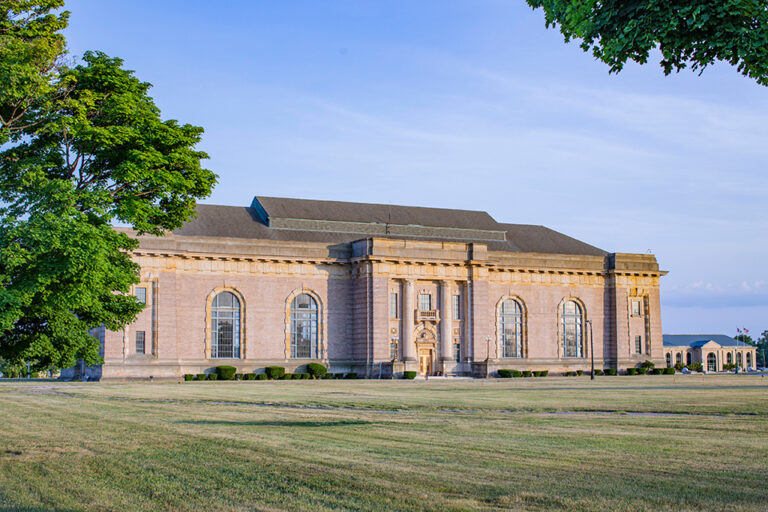
An introduction to GLWA’s treatment plants and operational sites.

Discover how partnering with GLWA helps communities share knowledge, access resources, and strengthen regional water systems.

Information for current and prospective vendors, including procurement processes, requirements, and opportunities.
A resource center providing financial documents, agreements, and investment-related materials.
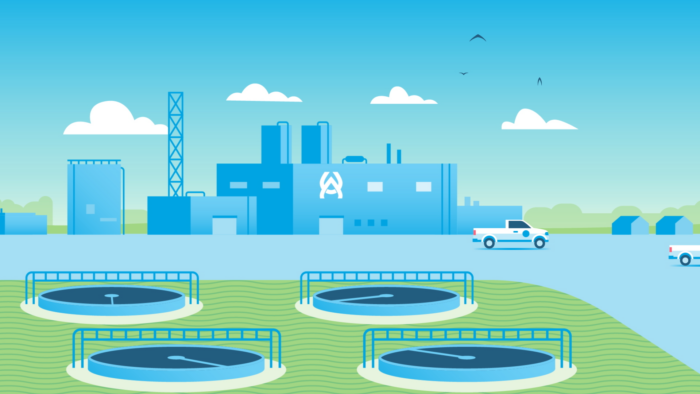
lorem ipsum lorem ipsum lorem ipsum lorem ipsum lorem ipsum lorem ipsum lorem ipsum lorem ipsum lorem ipsum lorem ipsum lorem ipsum lorem ipsum lorem ipsum lorem ipsum lorem ipsum lorem ipsum lorem ipsum lorem ipsum lorem ipsum lorem ipsum lorem ipsum lorem ipsum lorem ipsum lorem ipsum lorem ipsum lorem ipsum lorem ipsum lorem ipsum lorem ipsum lorem ipsum
With the Great Lakes as our source, GLWA is uniquely positioned to provide its communities with the best quality water. The water we provide not only meets, but exceeds Safe Drinking Water Act requirements, as well as all other applicable state and federal regulations.
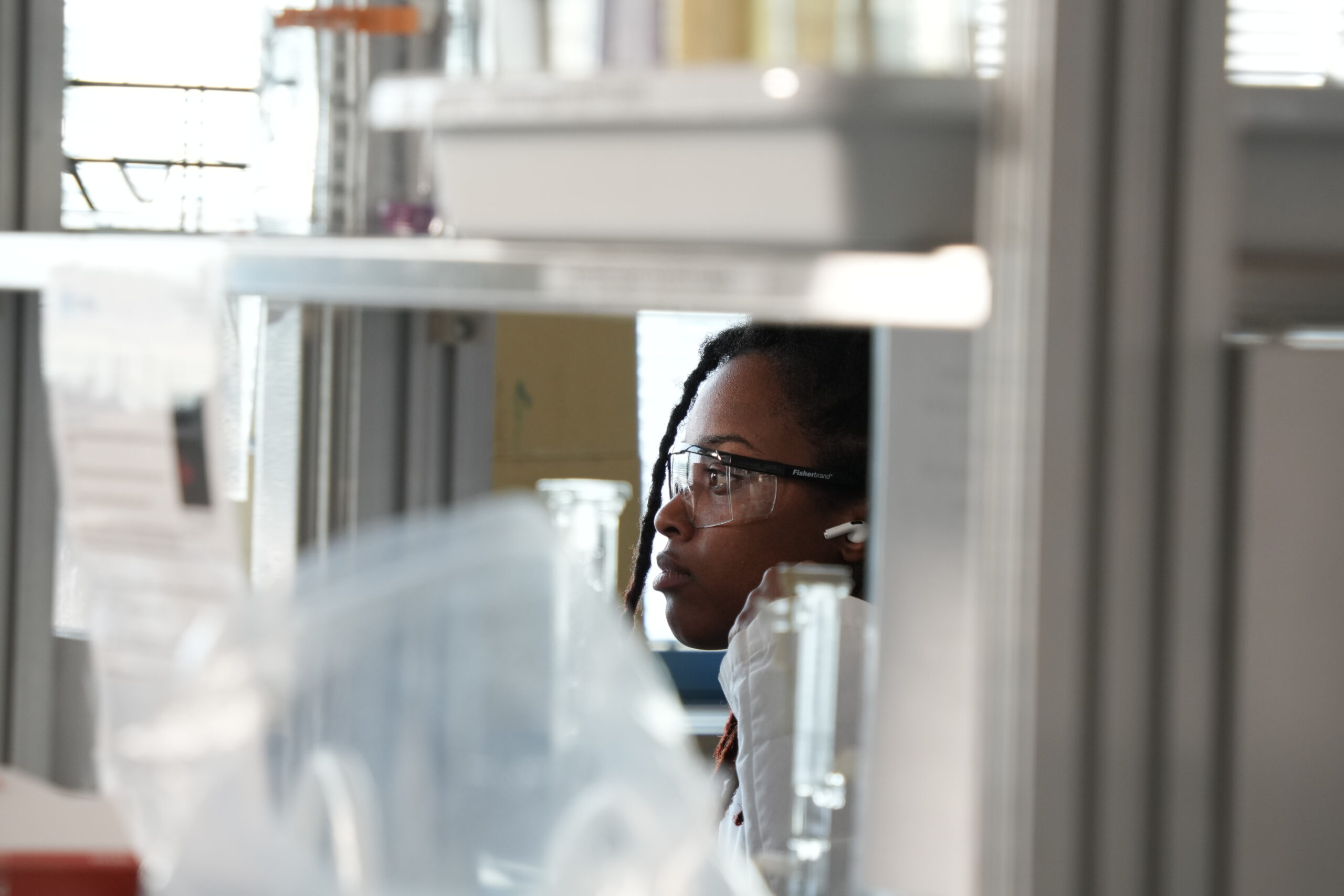
To ensure public health, GLWA proactively monitors source water through numerous tests and systems, including the Lake Huron and Lake Erie monitoring system. Our early-warning water monitoring system uses cutting-edge sensors to detect changes such as oil spills or chemical leaks, and provide real-time information about our water, allowing us to adjust our treatment process as needed.
GLWA’s water treatment process is a 24/7 operation managed by highly-qualified and trained professionals. Once water enters GLWA facilities it goes through various treatment levels, including physical screening, filtration and a final quality check before being pumped out of our stations to local communities.
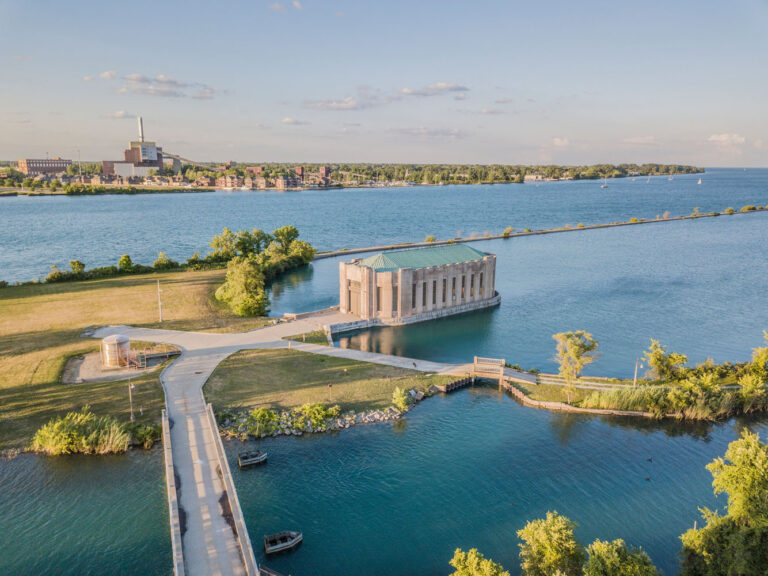
The Great Lakes Water Authority draws water from Lake Huron and the Great Lakes tributary, the Detroit River to provide water to 112 communities in southeast Michigan.
GLWA’s water treatment process is a 24/7 operation managed by highly-qualified and trained professionals. Once water enters GLWA facilities it goes through various treatment levels, including physical screening, filtration and a final quality check before being pumped out of our stations to member communities.
GLWA provides water of unquestionable quality to its member partner communities. The water we provide not only meets, but exceeds Safe Drinking Water Act requirements, as well as all other applicable state and federal regulations.
The quality of our drinking water is a Shared Responsibility. GLWA, our member communities and their retail customers are connected through a complex regional water infrastructure system that is designed to protect public health.
A “Boil Water Advisory” is a notification issued by your local community as a precautionary measure. Boil water advisories are distributed if there is a possibility of microbiological contamination in the drinking water system.
A “Do Not Use Advisory” is a notification issued by your local community to alert the community not to use tap water for any purpose. This advisory is typically used only in emergency situations.
View our Do Not Use Advisory resources.
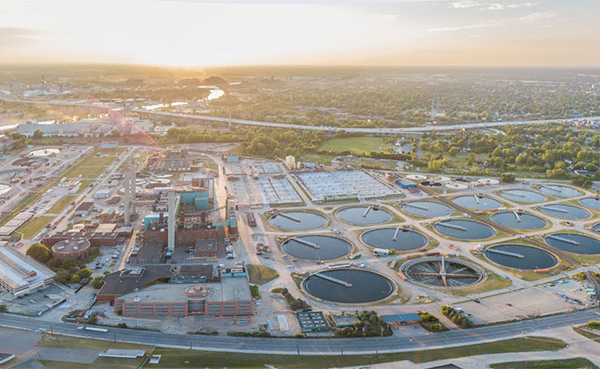
Water leaving your home goes either to a septic tank or to GLWA’s Water Resource Recovery Facility (WRRF) through the regional wastewater system. At WRRF, wastewater is treated to meet all state and federal regulations before being released into the environment, often times cleaner than when it was originally received.
All the waste recovered from the water is then sent to GLWA’s Biosolids Dryer Facility to be treated and turned into environmentally friendly fertilizer.
Just like water, our wastewater collection system is a Shared Responsibility. We should be very careful before draining and flushing anything. For example, flushing wipes or pills down the toilet could end up clogging our sewer system and impacting water quality in the Great Lakes.
Watch this video to see the impacts of Flushable Wipes on our sewer systems.
Check out our additional resources regarding the safety and cleanliness of our wastewater system.
Water storage tanks help GLWA’s member partner communities in two ways. First, storage tanks can provide water in case of emergencies. Second, they assist communities in better managing their demands on the GLWA system by using less water during peak system hours. This may save the community money when the tank is filled during low-usage times. The water stored in the tank is then used during peak hours instead of drawing from the system, keeping costs lower for everyone. Some storage tanks are elevated, but many are also constructed below ground. Whether a tank is elevated or below ground, and whether a tank is the right solution for a community, is a unique decision for each member partner.
For more information on water storage tanks, watch this educational video.


As an intern at GLWA, I gained hands-on experience in a line of work most people (including myself) don’t think twice about yet depend on every day. Getting to work alongside dedicated mentors gave me the confidence to pursue and build my career in a field that truly matters.
Professional Administrative Analyst, former intern